Finding the right ultrasonic cleaner Australia businesses can depend on is not as simple as picking the biggest tank. Workshops, factories and laboratories all clean different parts, in different volumes, with different contaminants. A system that is too small slows production, while one that is poorly built fails under daily use. This guide explains what to look for, so you can invest with confidence.
What Is an Industrial Ultrasonic Cleaner?
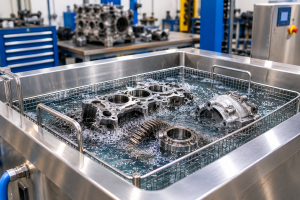
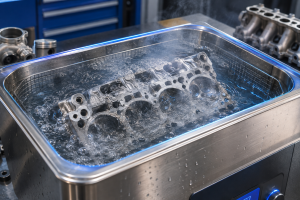
An industrial ultrasonic cleaner uses high-frequency sound waves to create millions of microscopic bubbles in a heated cleaning solution. When these bubbles collapse against a part, they lift away oil, carbon, rust and machining residue. This process, known as cavitation, reaches blind holes, threads and internal passages that brushes and pressure washers cannot touch.
Compared with manual scrubbing or solvent soaking, industrial ultrasonic cleaning systems deliver more consistent results, cut labour time and reduce exposure to harsh chemicals. The cleaning action also protects tolerances and surface finishes, which matters when parts go straight back into service. That is why they are now standard across automotive, aerospace, marine, mining and manufacturing sectors.
Types of Ultrasonic Cleaning Machines Australia Buyers Can Choose
Ultrasonic cleaning machines Australia suppliers offer range from benchtop units to very large production systems. The right category depends mainly on part size and throughput:
- Laboratory and precision units (about 5 to 20 litres): suited to small components, instruments and delicate parts.
- Workshop tanks (80 to 230 litres): ideal for fuel injectors, manifolds, EGR systems and diesel pump components.
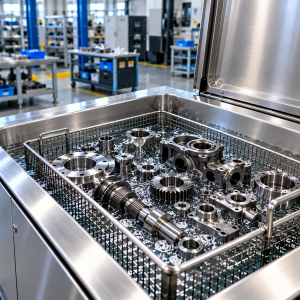
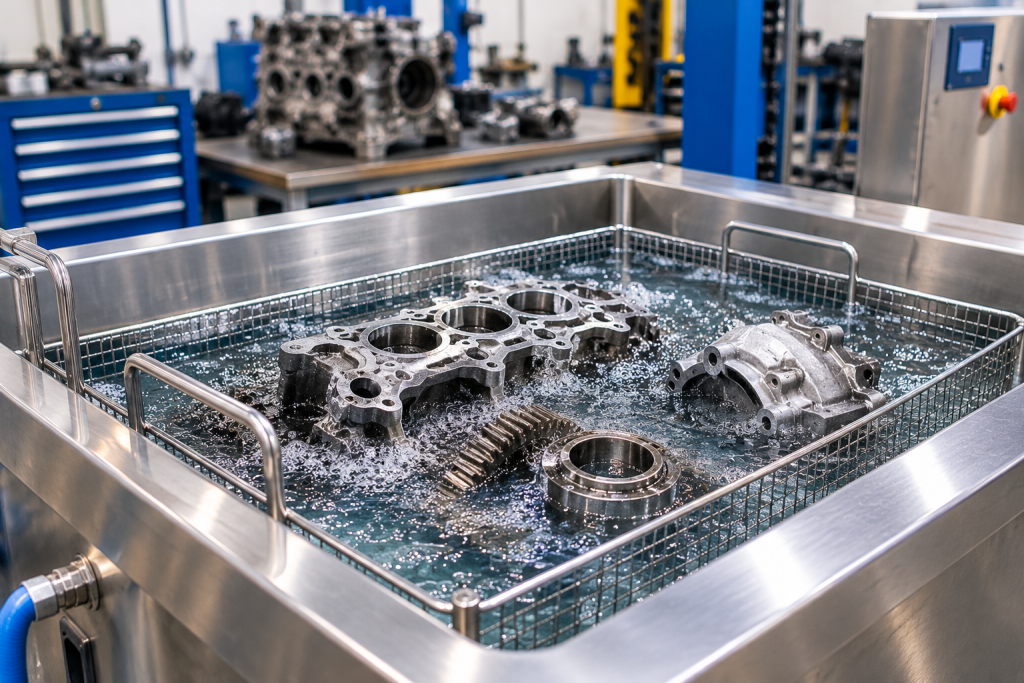
- Heavy-duty tanks (400 to 850 litres): built for engine blocks, gearboxes and hydraulic assemblies.
- Large-scale systems (1500 litres and above): designed for mining equipment, marine components and large assemblies.
You can compare every standard size and its typical applications on our Our Tanks page.
Key Features of Quality Ultrasonic Cleaning Equipment Australia Wide
Not all ultrasonic cleaning equipment Australia retailers sell is built to the same standard. Before you buy, check these points:
- Stainless steel construction: a 316 stainless inner tank resists corrosion and constant vibration.
- Transducer quality: strong piezoelectric transducers give even cavitation across the whole tank.
- Heating control: tanks that reach 80 to 90 degrees Celsius clean oil and grease much faster.
- Filtration and pumps: these keep the solution clean and extend its working life.
- Power options: single-phase and three-phase versions suit different workshops and loads.
- Testing and validation: every machine should be tested before it leaves the factory.
Frequency matters as well. Lower frequencies, around 25 to 40 kHz, create larger bubbles for heavy soils, while higher frequencies clean more gently and suit precision parts. Ask any supplier to explain which frequency and power rating they recommend for your application, and why.
Why Choose Ultrasonic Cleaning Tanks Australia Manufacturers Build Locally
Choosing ultrasonic cleaning tanks Australia manufacturers build locally brings practical advantages. Local manufacture means faster delivery, easier servicing and ready access to spare parts, so a fault does not stall your production for weeks. It also means the tank can be customised to your exact requirements, from dimensions and mounting to heating and filtration.
Ultrasonics Engineering designs and builds industrial tanks in Sydney, NSW, using premium stainless steel and industrial heating systems. If your parts do not fit a standard size, a custom-built tank is often cheaper over time than working around the wrong machine. You can contact our team to discuss your requirements.
Industries That Rely on an Industrial Ultrasonic Cleaner Australia Wide
Demand for an industrial ultrasonic cleaner Australia wide comes from many sectors. Automotive workshops clean injectors, cylinder heads and engine blocks. Aerospace and defence operators remove contamination from precision assemblies. Mining and marine businesses clean heavy components exposed to dirt, salt and oil. Our pages on automotive cleaning and industrial manufacturing show how these systems fit real operations.
Getting the Best Value From Your Investment
A good machine only performs if it is used well. Match the cleaning solution to the contaminant and the part material, avoid overloading baskets so sound waves can reach every surface, and keep the solution filtered and replaced on schedule. For a deeper look at the science, this overview of ultrasonic cleaning explains cavitation and frequency in more detail.
Think about growth too. A tank that suits today’s workload but cannot handle next year’s volume will soon become a bottleneck, so choose capacity with a little room to spare.
Conclusion
The right ultrasonic cleaner Australia businesses choose should match their parts, volume and budget, with solid stainless steel construction, proper heating and dependable local support. Compare sizes, check build quality and consider a custom option if standard tanks do not fit. When you are ready, request a quote and we will help you find the right system.